Building an Extension Over Winter in West London: What Actually Stops Work
Short answer: yes, you can build an extension through a West London winter, and most of the programme is unaffected. Work pauses on frosty mornings for concrete and brickwork, then picks up again. London rarely gets cold enough for long enough to stop a build. The bigger winter risks are drying times and daylight hours, and both can be planned around.
Why people ask, and why the answer surprises them
Every September we get the same question. A homeowner has quotes on the table, the drawings are done, and someone has told them to wait until spring. Waiting sounds sensible. In practice it usually costs them the best part of a year, because a spring start means joining the queue everyone else joined.
The weather argument is worth testing against real numbers. Met Office averages for St James’s Park put London’s December daily minimum at 5.4C, January at 5.0C and February at 4.7C, with daily maximums between 8.5C and 8.9C (Climate of London, Met Office station data). Those are averages rather than promises, and cold snaps happen, but a typical London winter day sits comfortably above the temperatures that stop masonry work.
What genuinely stops work, with the actual thresholds
Two materials care about temperature, and the rules are specific rather than a matter of opinion.
| Element | The rule | Realistic impact on a West London job |
|---|---|---|
| Mortar and brickwork | No special measures needed at 4C and above. Below that, materials must be free of frost and kept warm. Work should stop if the temperature falls below 2C unless heating and protection are in place. | Half a day here and there in a cold spell |
| Concrete | Concrete should be at least 5C when it is delivered. Pouring should not go ahead at 2C air temperature unless the aggregate is above 2C and free of frost and snow. | Foundation pours get rescheduled, typically by a day |
| Screed and plaster | Both need warmth and airflow to dry. In winter that means temporary heating and dehumidifiers rather than open windows. | Adds a few days, not weeks |
| External painting and render | Most products need a surface above 5C and dry conditions. This is the trade most often pushed to spring. | Genuinely seasonal, plan it for later |
| Roofing | Wind, not cold, is the limit. Scaffold work stops in high winds for safety. | Occasional lost days in a storm |
Guidance on cold weather working comes from NHBC Standards, which most UK builders and warranty providers follow. A builder who cannot tell you these numbers is a builder who will pour concrete into a frosty trench and hope.

What carries on regardless
This is the part people miss. On a typical single storey rear extension, only the first three or four weeks are genuinely weather exposed. After that the roof is on, the openings are boarded or glazed, and the job moves indoors.
- Demolition and groundworks. Digging happens in the wet. Trenches need pumping out after heavy rain, which is a nuisance rather than a stoppage.
- Steelwork. Beams go in whatever the temperature.
- Roof and weathering. Once this is done, the building is protected and the clock changes.
- First fix electrics and plumbing. Entirely internal.
- Plastering. Fine with heating running, and heating is going anyway.
- Joinery, tiling, kitchen fitting, decorating. All internal, all unaffected.
On our own jobs the pattern is consistent. A rear extension that takes eight to ten weeks in June takes eight to eleven weeks in January. The difference is a handful of days, not a different project.
Three reasons a winter start can suit you better
Builders are quieter between November and February. That is not a secret, and it has practical consequences for you.
- You get better availability. A good local builder booked solid from April may have genuine capacity in January. You are choosing your builder rather than taking whoever is free.
- You finish before summer rather than during it. Start in January and the kitchen is in and the garden is yours by May. Start in April and you spend the summer living around a building site.
- Approvals run in parallel with the quiet season. A householder planning application has an eight week statutory target, and prior approval for a larger extension runs to a fixed 42 days. Submit in November and you are ready to build when the paperwork lands.

What a realistic winter programme looks like
| Stage | What happens | Winter effect |
|---|---|---|
| Weeks 1 to 2 | Setting out, demolition, foundations | Pours move a day or two around frost |
| Weeks 3 to 4 | Brickwork to damp course and above, steels in | Odd half day lost in a cold snap |
| Weeks 5 to 6 | Roof structure, weathering, windows and doors in | The building is now protected |
| Weeks 7 to 8 | First fix, insulation, plasterboard, plaster | Heating and dehumidifiers running |
| Weeks 9 to 11 | Second fix, kitchen, tiling, decoration, snagging | Unaffected by weather |
Compare that with our standard timings in the West London extension cost guide and the difference is about one week on a ten week job.
Does building in winter cost more?
Slightly, and less than most people expect. The honest numbers on a typical rear extension in Hillingdon or Ealing:
| Item | Typical cost | Note |
|---|---|---|
| Temporary heating and dehumidifiers | £300 to £700 over the job | Only during drying stages |
| Extra frost protection for new masonry | £100 to £250 | Insulation quilts and covers |
| Site lighting for shorter days | £150 to £300 | Task lighting and a longer usable day |
| Possible lost days | 1 to 5 days on a bad winter | Usually absorbed inside the programme |
| Set against that: availability | Often a better price or an earlier slot | Quiet season pricing |
We do not charge a winter premium. Anyone who quotes you one should explain exactly what it buys.
Lofts and internal work are even safer bets
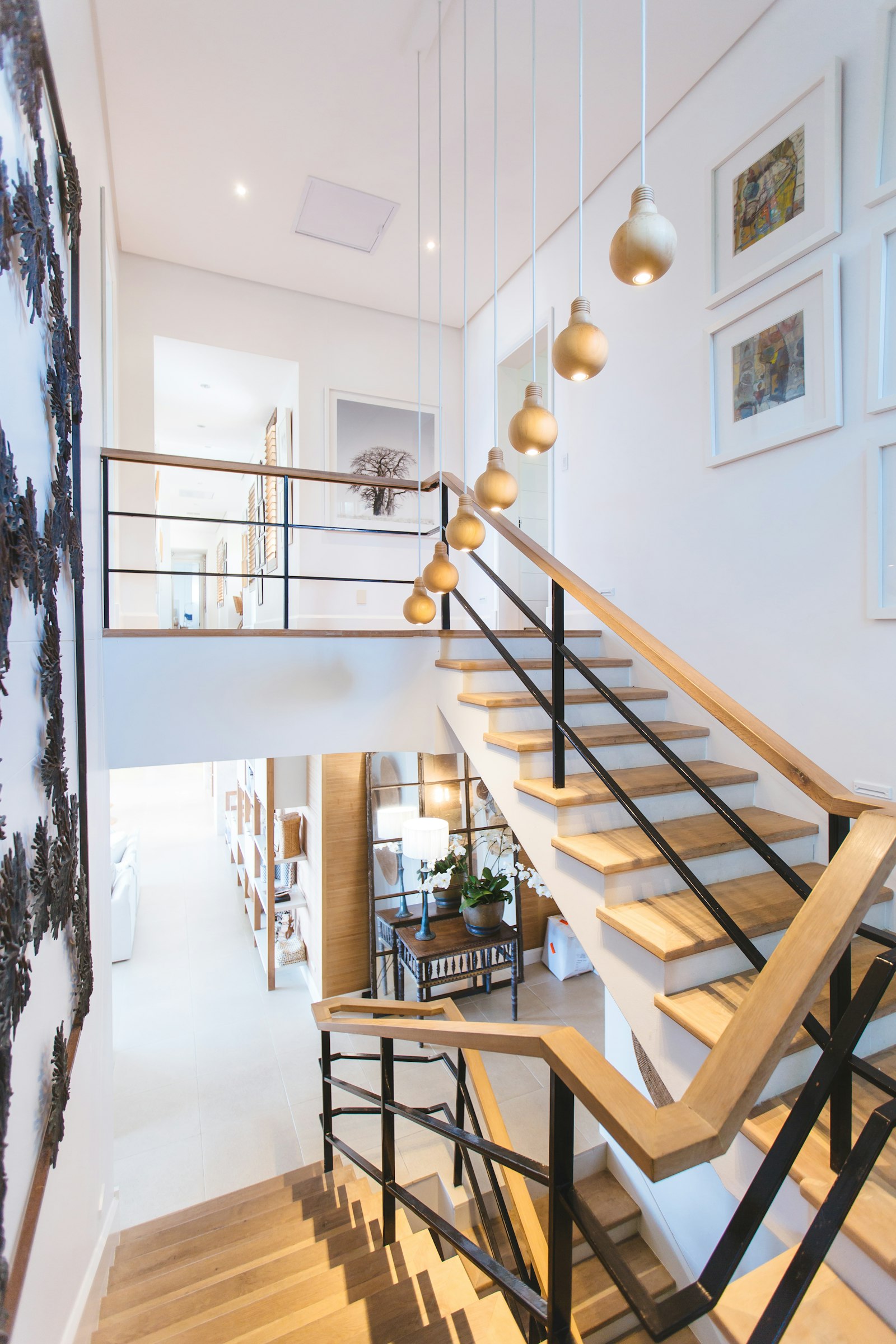
If the weather genuinely worries you, a loft conversion or an internal refurbishment is the winter project to pick. A loft is opened and made watertight from the scaffold within the first two or three weeks, and everything after that happens inside your house. Garage conversions are the same. So is a full refurbishment.
What to ask a builder before agreeing a winter start
- What is your plan if we get a hard frost during the foundation pour?
- How will you protect new brickwork overnight?
- Will you supply temporary heating and dehumidifiers for the drying stages, and is that in the price?
- What are the site working hours in December, given it is dark by four?
- How will the house be sealed while the opening is formed?
- Are the windows ordered and confirmed, so the shell is not standing open waiting for them?
The answers tell you quickly whether the builder has run winter jobs before. Ours are in the written quote rather than left to chance, alongside the payment stages and the 12 month workmanship warranty.

If you are starting the process now
Work backwards from when you want the job finished. Drawings and structural calculations take two to four weeks. Planning, where it is needed, has an eight week target and often runs to ten or twelve. Building Regulations approval can run alongside. Party Wall notices need two months on a party structure, which is the step people forget, and our party wall guide covers what that involves.
Fees at the current rates are £548 for a householder planning application and £249 for prior approval on a larger extension, set out on the Planning Portal. The Hillingdon planning guide explains which route applies to your address.
Thinking about a winter or early spring start?
We are a family run builder on Leven Way in Hayes, working across Hillingdon, Ealing, Hounslow, Harrow and the rest of West London. Book a free site survey now and you get an itemised written price, a realistic start date and a programme that accounts for the weather instead of ignoring it.
Frequently asked questions
Can you lay bricks in winter in the UK?
Yes, above about 4C no special measures are needed. Below that the sand and water are warmed, materials are kept free of frost and new work is covered overnight. Bricklaying should stop below 2C unless proper heating and protection are in place, which is standard guidance followed by UK builders and warranty providers.
Will rain delay my extension?
Rarely by much. London averages around 59mm of rain in December and January, spread over the month rather than falling in one go. Groundworks get muddy and trenches need pumping, but once the roof is on and the openings are closed, rain stops mattering.
Is it cheaper to build an extension in winter?
The build cost is much the same. You may get a better slot or a keener price because builders are quieter, offset by £500 to £1,200 for temporary heating, frost protection and site lighting across the job. We do not add a winter premium.
How long does an extension take in winter compared with summer?
On a typical single storey rear extension in West London, allow about one extra week on a ten week programme. Most of the difference is drying time rather than lost days.
Should I wait until spring to start my extension?
Usually not. Waiting means competing for slots with everyone else who waited, and finishing in late summer instead of early summer. If you want work to start in spring, the time to get drawings and approvals moving is now, over the winter.
What building work should I avoid in winter?
External painting, rendering and external wall insulation are the genuinely seasonal jobs, since most products need a surface above 5C and dry conditions. Everything else can be planned around the weather.